

Can Learning a New Language Help Keep Your Brain Healthy as You Age?
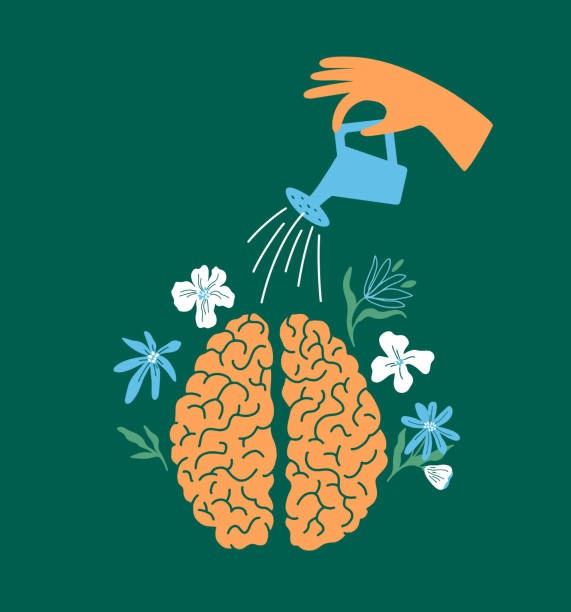
Learning a new language opens doors to new cultures, friendships, and experiences, but its benefits go far beyond conversation. It also challenges your brain, stimulates your memory, and keeps your mind engaged. Incredibly, it may also be one way to support your brain health as you age. We often think of learning a foreign language as something we do when we’re young, perhaps to prepare for school, travel, or a career. But what if learning a new language later in life could offer something even more valuable? Research suggests that keeping our minds active through lifelong learning may help support cognitive health and build what scientists call cognitive reserve—the brain’s ability to adapt and maintain its function as we age. And one enjoyable way to challenge your brain? Learning Italian!
What Happens to Your Brain When You Learn a New Language?
Learning a language is a complex mental activity. It requires your brain to do several things at once:
- Improve memory: Remembering new vocabulary, expressions, and grammatical structures exercises your ability to store and retrieve information.
- Strengthen concentration: Following conversations and recognizing unfamiliar words require attention and focus.
- Develop problem-solving skills: Understanding sentence structures and choosing the right words involves reasoning and mental flexibility.
- Build cognitive reserve: Regular intellectual challenges may help the brain become more resilient to age-related changes.
Unlike simply memorizing a list of facts, learning a language involves listening, speaking, reading, remembering, and responding. It is an ongoing mental workout!
What Does Research Say About Language Learning and Alzheimer’s?
Scientists have been studying the relationship between bilingualism, language learning, and brain health for years. Research suggests that people who regularly use more than one language may develop greater cognitive reserve. Some studies have found that bilingual individuals experience noticeable symptoms of Alzheimer’s disease later than people who speak only one language. Importantly, this does not mean that speaking another language prevents Alzheimer’s or stops the disease from developing. Rather, researchers are exploring whether language-related mental activity may help the brain better cope with age-related changes. There is also encouraging research specifically on learning a new language later in life. A 2026 study published in Alzheimer’s & Dementia examined older adults who participated in an 18-month foreign-language learning program. The researchers found that participants in the language-learning group maintained certain aspects of episodic memory, while the comparison group experienced a decline in that measure.
Although more research is needed, these findings offer an encouraging reason to keep learning at every age.
Why It’s Never Too Late to Learn Italian
You don’t have to be a student or a young adult to benefit from learning something new. Whether you’re 40, 60, or 80, taking up a new language can be an enjoyable way to challenge yourself. Imagine learning how to order your favorite meal in Italian, understand a conversation, read a menu, or chat with a local during your next trip to Italy. Beyond the mental challenge, language classes also offer opportunities to socialize, meet new people, share experiences, and build meaningful connections. These social interactions are another important part of maintaining overall brain health.
Make Italian Your Next Brain Exercise!
At Fondazione Italia, we believe learning Italian is about much more than mastering vocabulary and grammar. It is about staying curious, discovering new cultures, connecting with people, and continuing to grow at every stage of life. Our Italian classes provide an opportunity to challenge your mind while enjoying the beauty of the Italian language and culture. So why not give your brain something new to work on? Learn a new language. Make new connections. Keep your curiosity alive.
Your Italian journey can begin at any age!
Note: Learning a language is not a proven method of preventing or treating Alzheimer’s disease. It can be one part of an intellectually and socially active lifestyle that supports overall cognitive health.